 JSICP Summit
Impact · 2026
JSICP Summit
Impact · 2026
JSICP Summit
Impact · 2026
JSICP Summit
Impact · 2026
In six accredited hours on a single Sunday, the inaugural Jewish Spirituality in Clinical Practice Summit united the founding researchers of the psychology of religion with 549 registered clinicians across eleven countries. This is what happened.
On the Sunday, the field showed up: at scale, and across continents.
8.8 / 10 average likelihood to recommend; 68% of all evaluators scored it 9 or 10. Event NPS above +50 is commonly described as world-class, rare for a first-year program.
A first-year, virtual summit drew a genuinely international clinical audience: eleven countries on four continents, twenty-six U.S. states, three Canadian provinces.
Plus physicians and psychiatrists, board-certified chaplains, registered psychotherapists, graduate students, educators, clergy, and coaches, a genuinely big tent. The Summit was built for Jewish and non-Jewish clinicians alike, and both showed up: some of the most moving evaluations came from Christian and other non-Jewish therapists, alongside chaplains, Chassidic educators, and secular research psychologists.
The Summit was co-hosted with a coalition of the Jewish mental-health world's leading organizations.


Alongside 20+ community partners across North America.
Cumulative registrations across the six-week window.
The case for integration, the spiritual competencies every clinician should hold, and concrete spiritual-assessment questions ready for intake.
The neuroscience of the awakened brain, spirituality as an innate and measurable human capacity, and a live guided practice clinicians can bring straight to clients.
Viktor Frankl's framework operationalized: three core constructs for meaning, applied through clinical case studies.
From “Why is this happening?” to “What is my mission now?”: the salutogenic power of Shabbat, prayer, and ritual; Mussar and Chassidic tools for ego-driven distress; cultural attunement with observant Jewish clients.
Psychodynamic and attachment work through the lens of Tanya · addiction recovery · post-traumatic growth · bibliotherapy · applied logotherapy, practitioners showing the work in the room.
A working implementation clinic on the audience's real barriers: scope of practice, clinician vs. chaplain roles, spiritual disillusionment, and bringing these tools into Monday's sessions.
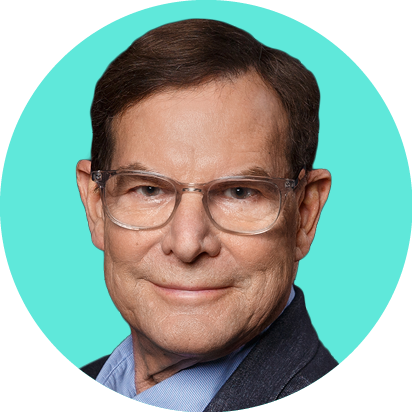
Widely regarded as the father of the psychology of religion. Editor-in-Chief of the APA Handbook of Psychology, Religion, and Spirituality; introduced at the Summit as one of the 50 most influential living psychologists.
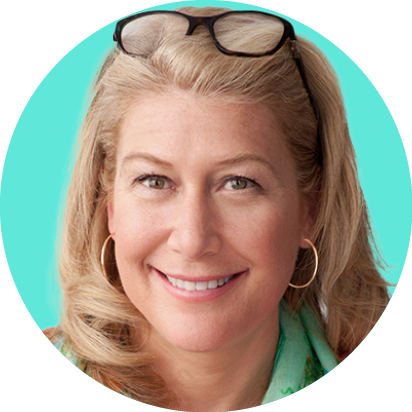
Founder of the Spirituality Mind Body Institute; bestselling author of The Spiritual Child and The Awakened Brain; lead researcher on the JAMA Psychiatry findings linking spiritual life to neuroprotective brain structure.
Founder of Center for Anxiety; creator of validated measures of Jewish religious coping and the SPIRIT protocol for spiritually integrated treatment; author of The Connections Paradigm.